
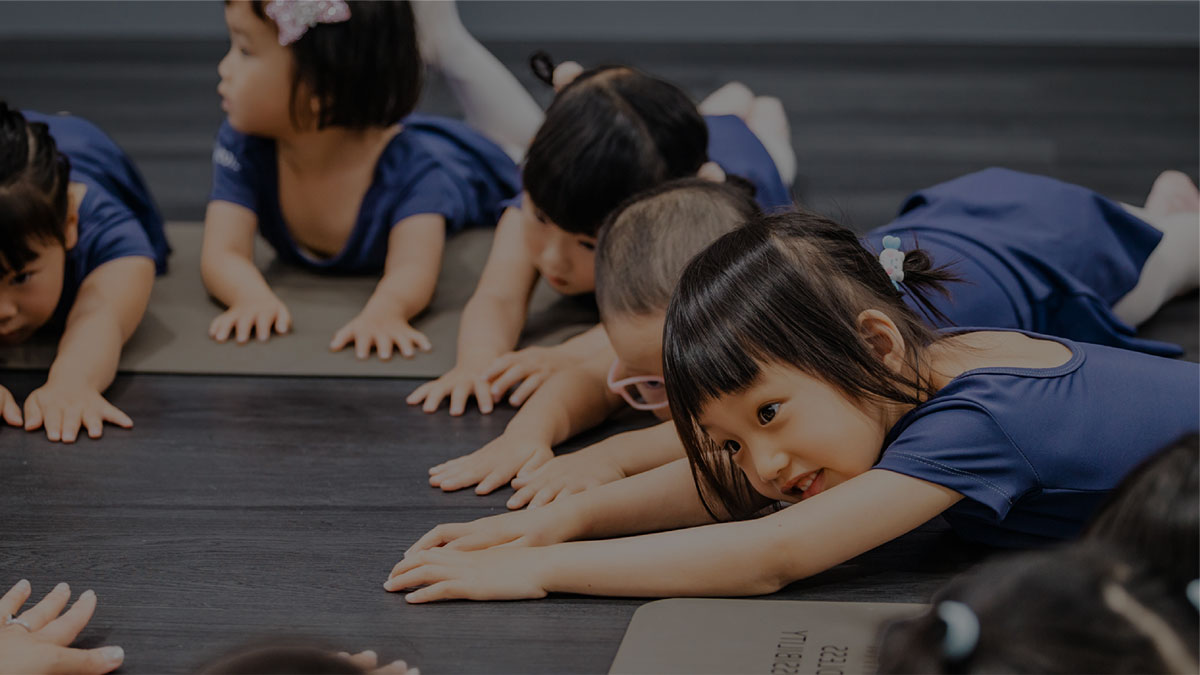
Jazz
Jazz is the core dance form of modern popular dance, with strong inclusiveness and stage performance. It integrates the line texture of ballet, the body extension of modern dance, and the rhythm and rhythm of popular street dance, forming an independent and mature dance system. Different from traditional dance styles, the core feature of jazz dance is body isolation control, which uses independent force from the shoulders, chest, waist, hips, and head to create clean and layered body movements.
Dance emphasizes precise timing, distinct strength and weakness, and a combination of movement and stillness. The movements are graceful and explosive, with delicate lines and a straight posture that combines softness and strength. The style has a wide range and can handle various genres such as lyrical tenderness, handsome power, sexy temperament, retro stage, etc., suitable for the vast majority of popular music.
Jazz dance places great emphasis on body posture and expression management, emphasizing physical beauty and stage appeal, which can effectively enhance body coordination, rhythm, and confidence. It is a classic and popular dance style that is beginner friendly and has a lot of room for improvement. It is suitable for shaping body shape, cultivating expressiveness, and showcasing on stage and in finished products.
Chinese Dance
Chinese dance is an unparalleled art form that combines a long-standing dance tradition with thousands of years of history, encompassing classical and folk styles as well as modern performances. Classical Chinese dance draws on the essence of ancient palace dance and martial arts, emphasizing elegant movements, smooth postures (such as the "water sleeve" technique), and narrative elements, often inspired by Chinese mythology, literature, and history. Folk Chinese dances have their own characteristics due to regional and ethnic differences, reflecting local customs, festival celebrations, and daily life - such as the vibrant Yangge dance in northern China, the elegant fan dance of the Han ethnic group, and the vibrant circle dance of ethnic minorities such as the Mongolian and Tibetan. In modern times, Chinese dance has also incorporated Western style elements such as ballet and contemporary dance, creating new forms that preserve traditional aesthetics while touching on contemporary themes. It is not just a performing art, but also a way to observe and celebrate Chinese culture and traditions.
Ballet
Ballet, Originating from European courts, it is a classic dance art with a complete scientific training system, known as the "cornerstone of dance". It has a standardized movement system, with opening, stretching, straightening, and standing as the core principles, elegant toe techniques, stretched body lines, and standardized hand and foot positions, forming the unique artistic beauty of ballet.
Ballet combines strength and softness, with seemingly light and agile movements that rely on solid muscle control, balance, and limb flexibility. For hundreds of years, countless classic plays have been created, conveying rich emotions through delicate body narrative, and possessing both ornamental and artistic qualities.
Studying ballet is not just about learning dance movements. A rigorous training method can shape a straight and symmetrical body shape and correct poor posture; Long term practice can better hone concentration, perseverance, and confidence. Whether as an artistic enlightenment or a long-term professional direction, ballet can enable people to perceive elegance and gain a unique temperament from the inside out through music and rhythm.
Tumbling
Tumbling, Also known as gymnastics technique stunt, it combines gymnastics floor skills, strength control, and dynamic explosive power, and is a common core skill category in cheerleading, modern dance, street dance, and jazz stage. The training does not include equipment and relies entirely on the ground to complete somersaults, including front rollover, rear rollover, side flip, front axle, rear axle, backflip, and continuous skill series.
The course focuses on gradual progress, prioritizing the consolidation of basic strength, core stability, landing buffering and body coordination abilities, strictly adhering to safety regulations, and eliminating blind challenges to difficult movements. Different from simple dance, Tumbling focuses on exercising body spatial perception, balance ability, and courage, and strengthening body control.
Studying Tumbling can enhance dance expression, enrich stage choreography, and break through physical limitations; Simultaneously enhancing physical fitness, flexibility, and responsiveness. Whether it's dance enthusiasts, cheerleaders, or students who want to improve their athletic abilities, they can break through themselves through each somersault practice, gaining strength, confidence, and dynamic stage performance.
Contemporary
Contemporary is an art form full of tension and infinite possibilities, breaking through the rigid formula of classical ballet and integrating diverse body language such as traditional modern dance, jazz, and street dance. This dance deeply explores the relationship between the body and gravity, retaining the control of ballet's slender and stretched limbs. It extensively uses floor movements such as rolling and crawling, relying on spinal contraction and extension to drive the whole body, creating a unique dynamic texture of weightlessness, falling, and relying on force to stabilize.
It is highly inclusive in music and narrative, not strictly following a fixed rhythm, nor limited to a complete linear plot. It often conveys delicate and complex inner emotions through fragmented and abstract movements. Dancers can rely on their breath and footsteps to form their own rhythm, and even without music, they can complete a complete expression. The creation does not adhere to fixed paradigms, attaches great importance to the individual expression of dancers, focuses on exploring the boundaries of the body, and conveys abstract ideas through pure body language. It is a modern dance genre that combines strength and lyricism, and has strong inclusiveness.